Transforming Waste into Resource
Inclusive collection. Material recovery. Audit-ready reporting.
Organizations Garbageman has worked with


























One recovery system. Three ways to enter it.
Organizations, households, and communities share one objective: keep useful material in circulation and make every handoff accountable.
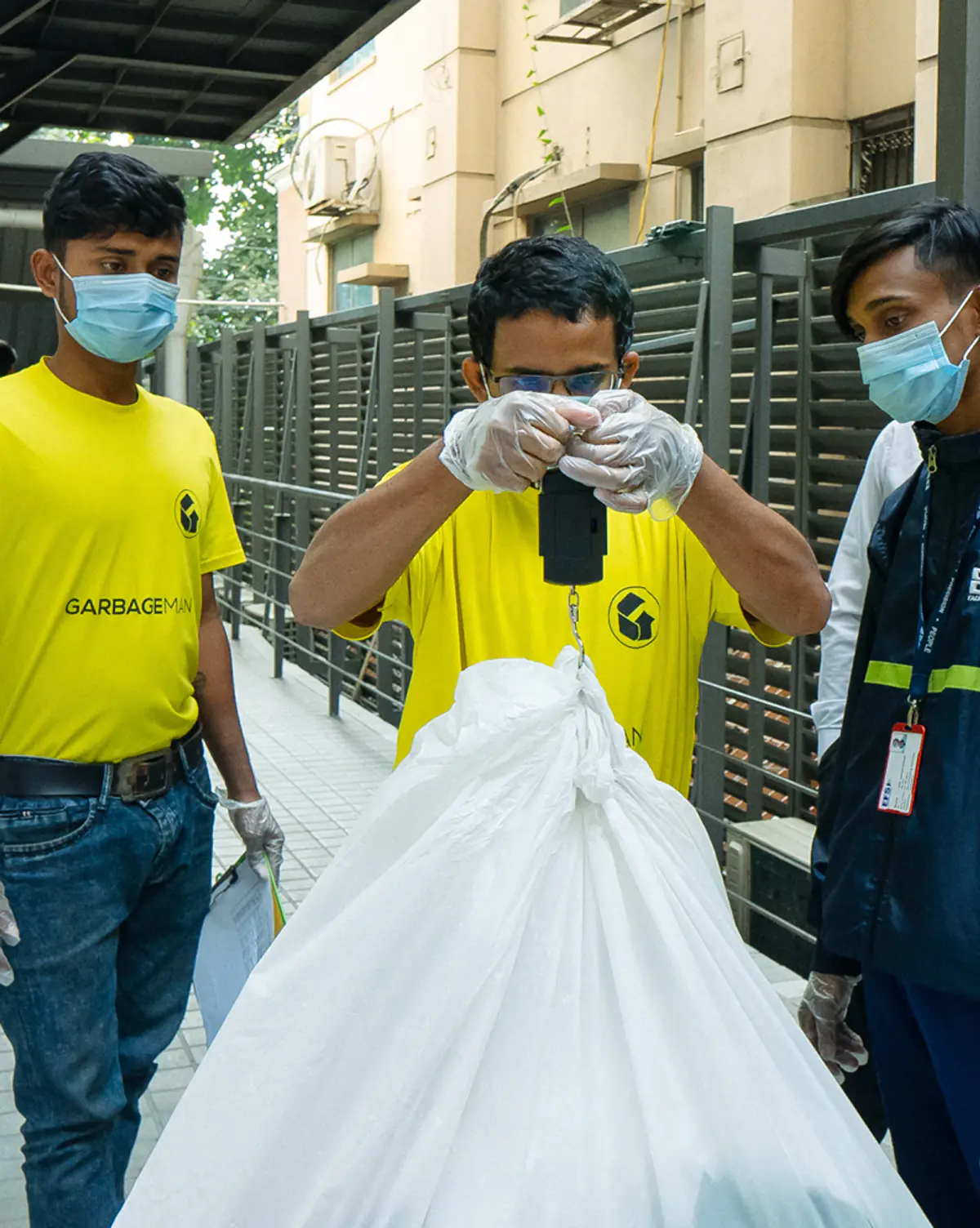 For organizationsAn end-to-end operating system for source separation, scheduled pickup, material recovery, and audit-ready reporting.
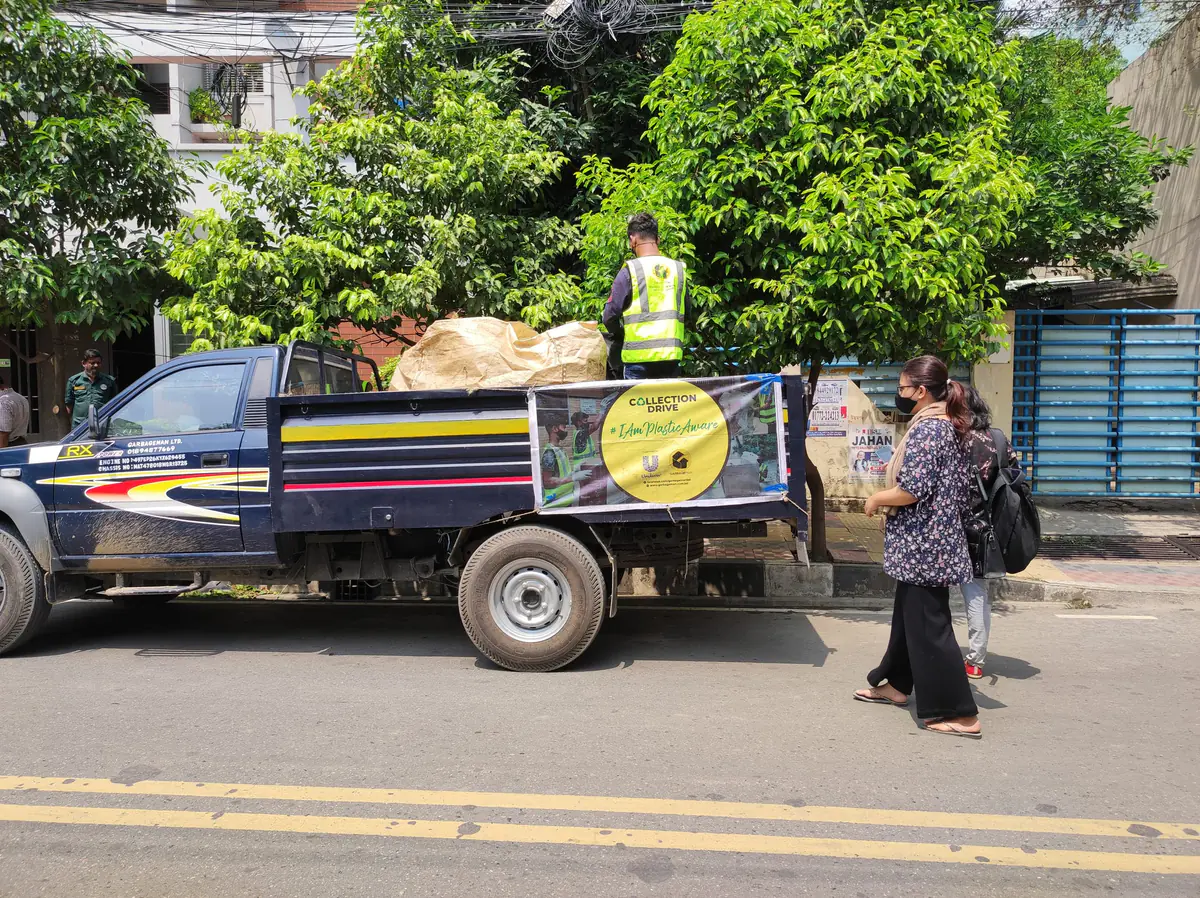 For householdsPractical separated collection that connects household waste to responsible recovery instead of uncontrolled disposal.
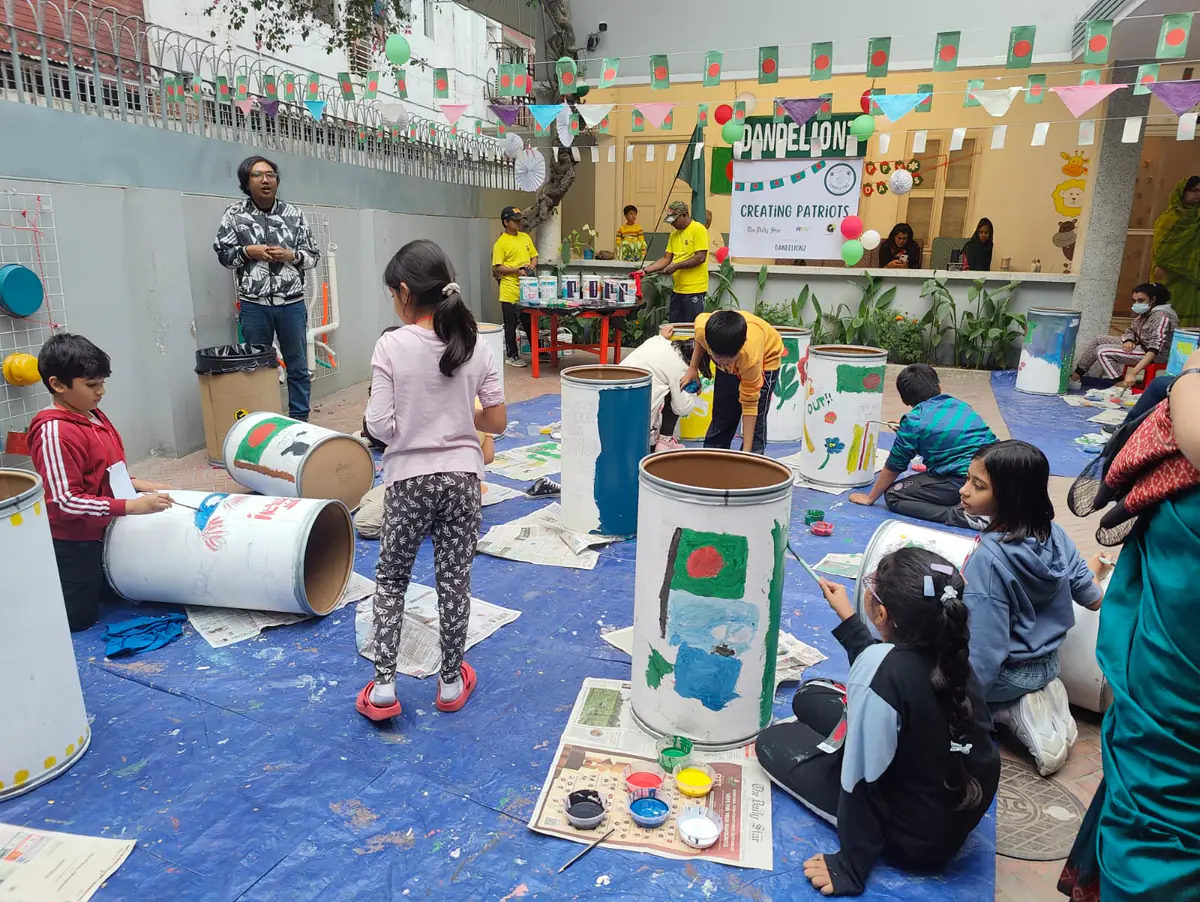 For communitiesCampaigns, workshops, and local participation that make source separation understandable and repeatable.
A traceable process, from first audit to monthly report.
Each step protects material value while producing the records organizations need to understand and improve performance.
Explore process and impact- 01
Audit and onboarding
A site walk, waste mapping, baseline audit, operational plan, service agreement, SOPs, training, bins, and signage establish the system.
- 02
Scheduled collection
Daily, weekly, or on-demand pickups keep separated streams distinct while every movement is weighed and logged.
- 03
Sorting and recovery
Controlled sorting, quality checks, and safe handling at the material recovery facility protect material value.
- 04
Compliant recycling
Recovered materials move to vetted recycling partners through material-specific handling and traceable supply relationships.
- 05
Reporting and action
Monthly waste-by-stream reporting, recovery indicators, pickup records, photo logs, and ESG narratives make progress visible.
Impact is only useful when the route behind it can be seen.
Reported cumulative results for 2023–2025 connect collection volume, material recovery, and worker inclusion to an operating system that can be reviewed.
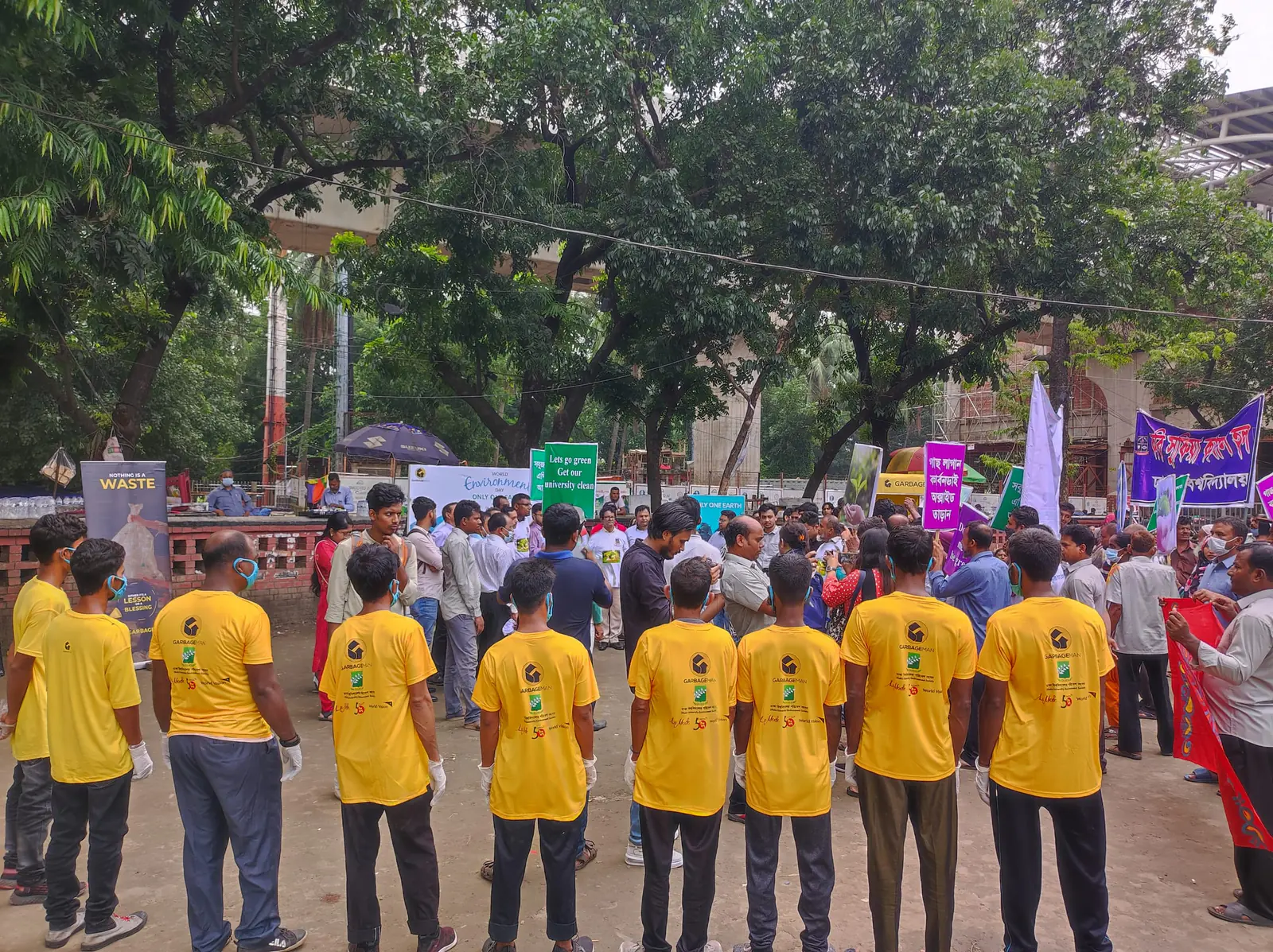
Recovery works when communities can participate in it.
Garbageman combines public engagement, source-separation education, and community activity with the collection and recovery infrastructure that turns awareness into action.
See community workStart with a waste audit.
Map your streams, define the operating plan, and see where recovery can begin.